Most people choose between a hoodie, a sweatshirt and a tee based on vibe rather than function, which is fine until you’re standing outside in the wrong one. These three garments aren’t interchangeable versions of “a top” — they’re built differently, sit on the body differently, and hold heat differently. Knowing the real distinctions saves you from owning five things that all do the same job in slightly different colours.
What separates them, structurally
The differences come down to fabric construction and how much of the body they cover.
- Tee: single-layer jersey knit, lightweight, no insulation beyond the fabric itself. Built for airflow, not retention.
- Sweatshirt: heavier fleece-back construction, often brushed on the inside. More fabric mass means more trapped air, which is what actually creates warmth.
- Hoodie: same fleece logic as a sweatshirt, but with an added hood and usually a kangaroo pocket — both of which add fabric around the neck and torso, two areas that lose heat fast when exposed.
None of this is marketing language — it’s just how knitted garments trap or release warmth. A tee works through evaporation and airflow. A hoodie works by blocking wind and holding a layer of warm air near the skin.
Matching weight to actual conditions
Rough, climate-based guidance, assuming you’re wearing the garment alone rather than layered:
- Warm, humid or high 20s–30s°C: a tee is doing its job here. Anything heavier traps moisture against the skin rather than letting it move.
- Mild, mid-teens to low 20s°C, especially with wind: this is sweatshirt territory. Enough fabric to block a breeze without overheating indoors.
- Cool, single digits to low teens°C: a hoodie earns its place. The hood matters more than people expect — a surprising amount of heat loss happens through an exposed neck and scalp.
- Genuinely cold, below freezing: none of these three are enough alone. At that point they’re a base or mid layer under something wind- and water-resistant, not a standalone solution.
Layering changes the maths
Climate isn’t the only variable — what you’re wearing it with matters just as much. A tee under a jacket performs a completely different role than a tee on its own; it’s managing sweat and skin contact, not blocking cold. A hoodie under a shell jacket becomes a mid-layer, trading some of its own insulating job for compressibility. If you’re buying for layering rather than standalone wear, prioritise a hoodie or sweatshirt that isn’t too bulky at the cuffs and hem — oversized ribbing fights with whatever you put over it.
Fit affects warmth more than people think
A size too large doesn’t just look loose — it lets warm air escape at the cuffs, hem and neckline, which undercuts the whole point of wearing something heavier. A sweatshirt or hoodie that sits close at the wrist and waistband holds heat considerably better than the same fabric cut baggy. This is also where unisex sizing gets useful: it’s built around a straighter, less tapered body shape, which tends to hold its warmth-retention properties across a wider range of body types than a heavily fitted cut does.
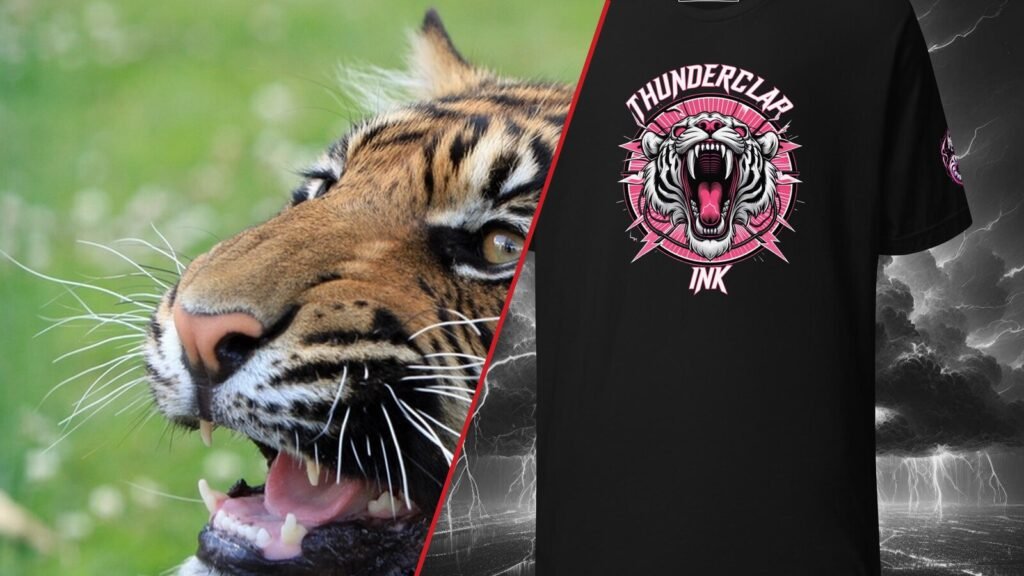
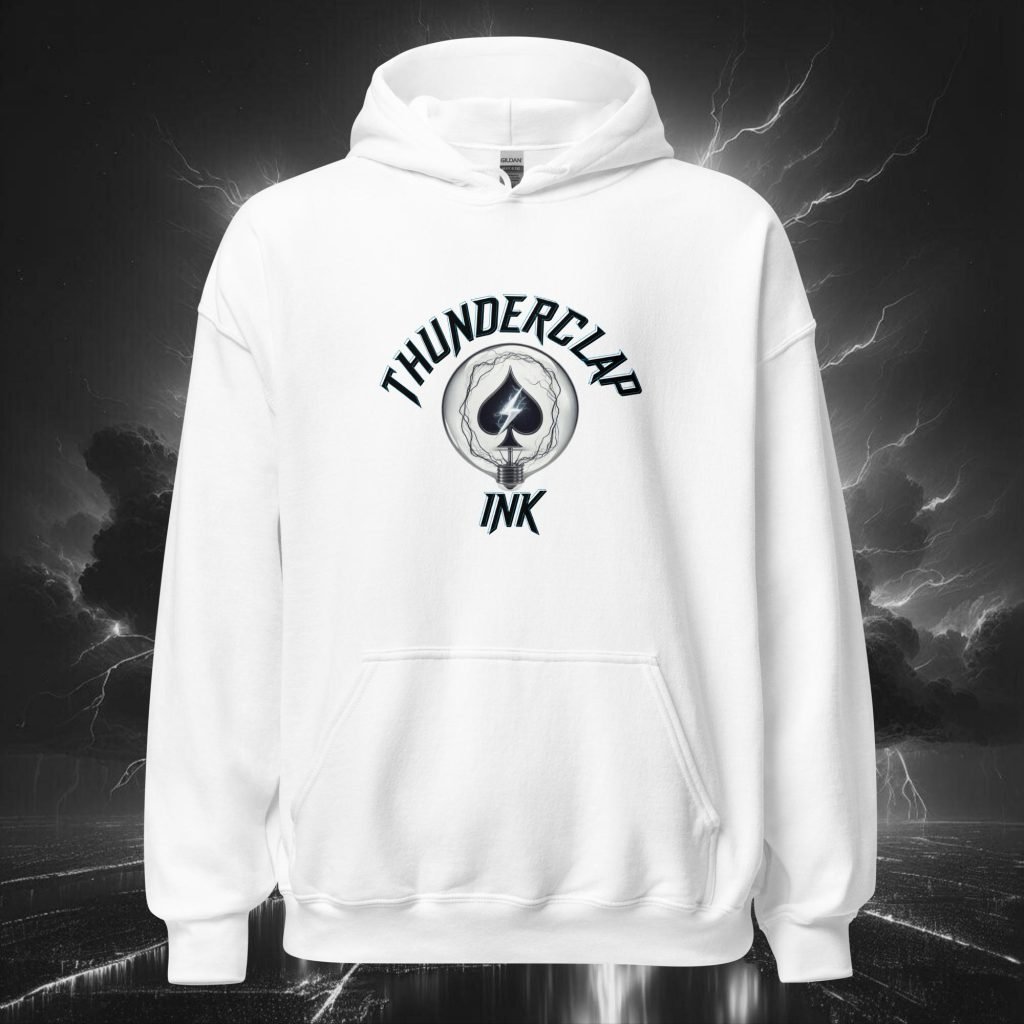
If you’re shopping specifically for the cooler end of that range, the Electric Bubble King of Spades Tiger hoodie sits in that hoodie category — full hood, front pocket, the heavier construction that’s meant for layering or standalone wear once the temperature drops rather than high-summer use.
What to check before buying any of the three
- Fabric weight relative to your actual climate, not the season on the calendar — a “winter” city at 15°C is a sweatshirt day, not a parka day.
- Cuff and hem construction — ribbed and snug holds heat, loose and open lets it out.
- Whether you need it to layer under something else, which changes how bulky you want it to be.
- Hood presence if you spend real time outdoors in wind — it’s a bigger factor in perceived warmth than most people assume.
None of this requires guesswork once you know what each garment is actually built to do. Thunderclap Ink makes all three, and the honest answer is usually: buy the one that matches your actual weather, not the one that photographs best.
15% of the profit from every purchase goes to animal conservation foundations around the planet.
Wildlife and nature art on apparel and phone cases. Wear it, and fund the work.
15% of the profit from every purchase goes to animal conservation foundations around the planet.
Wildlife and nature art on apparel and phone cases. Wear it, and fund the work.
Join the storm
New drops, rescue stories and 10% off your first order.