Photo by Yathin S Krishnappa, CC BY-SA. Via Openverse.
A Different Kind of Ranger
For most of conservation history, anti-poaching work has looked a certain way: armed men, camouflage, night patrols, the language of war. Over the last decade, that image has been quietly rewritten across parts of South Africa and Zimbabwe, where all-female ranger units have taken on some of the most dangerous conservation work on the continent — and done it differently.
Units like the Black Mambas in South Africa’s Balule Nature Reserve, and Zimbabwe’s Akashinga rangers, don’t rely primarily on confrontation. Their approach leans on visibility, deterrence, and deep local knowledge. Many of the women recruited come from communities living alongside the reserves they now protect — communities that have historically had complicated, sometimes resentful, relationships with conservation land that fenced them out of resources they once relied on.
Why It Works
Researchers and reserve managers who’ve studied these units point to a few recurring observations. Female rangers are often less likely to be offered bribes, and less likely to accept them when they are. Their presence tends to de-escalate tense encounters rather than provoke them. And crucially, because they’re drawn from surrounding villages, they carry information networks that outside enforcement teams simply don’t have access to — who’s struggling, who’s been approached by trafficking syndicates, where snares are likely to appear next.
There’s also an economic ripple effect rarely captured in poaching statistics. A steady ranger income changes a household. It changes what a woman’s daughter believes is possible for her own life. Several of these programs report that recruits go on to become the primary earners in their families, which quietly shifts local attitudes toward wildlife from adversarial to protective.
The Work Itself Is Unglamorous
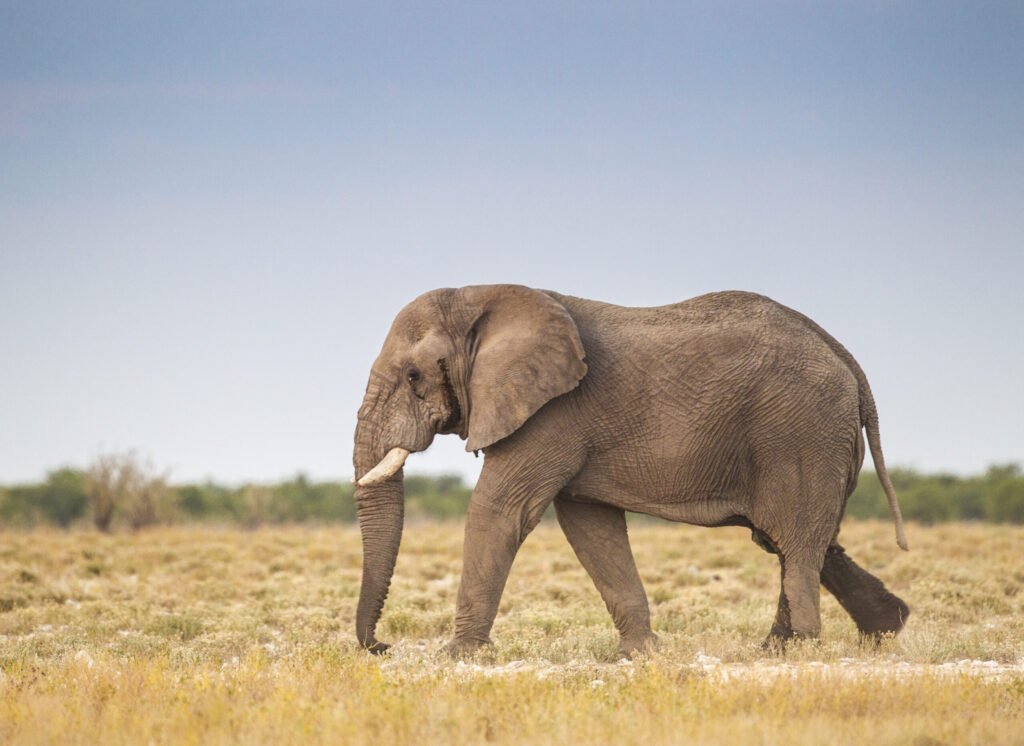
It’s worth resisting the urge to romanticise this. Much of the job is walking — long, repetitive foot patrols in extreme heat, checking fence lines, dismantling wire snares set for antelope that just as easily maim an elephant calf. It’s paperwork, GPS logging, community meetings, de-escalation conversations with men twice their size. The bravery is real, but it’s mostly boring, sunburnt, methodical bravery, not the cinematic kind.
That’s arguably why it’s effective. Poaching networks are logistical operations — supply chains, informants, buyers. Disrupting them takes the same unglamorous rigor as disrupting any other illegal trade.
Where Art Fits Into a Hard Story
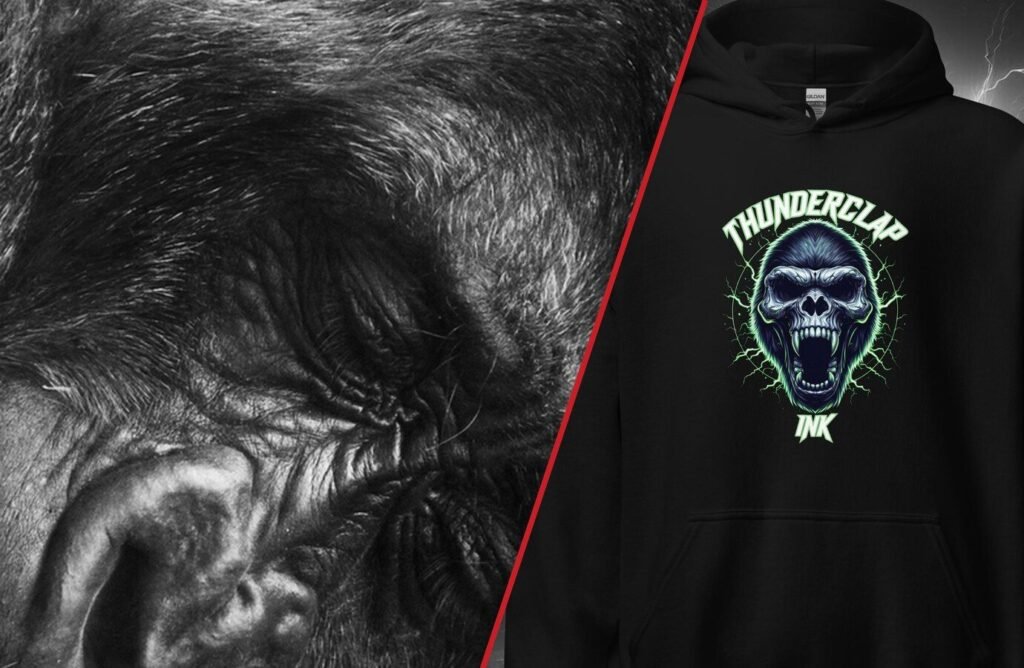
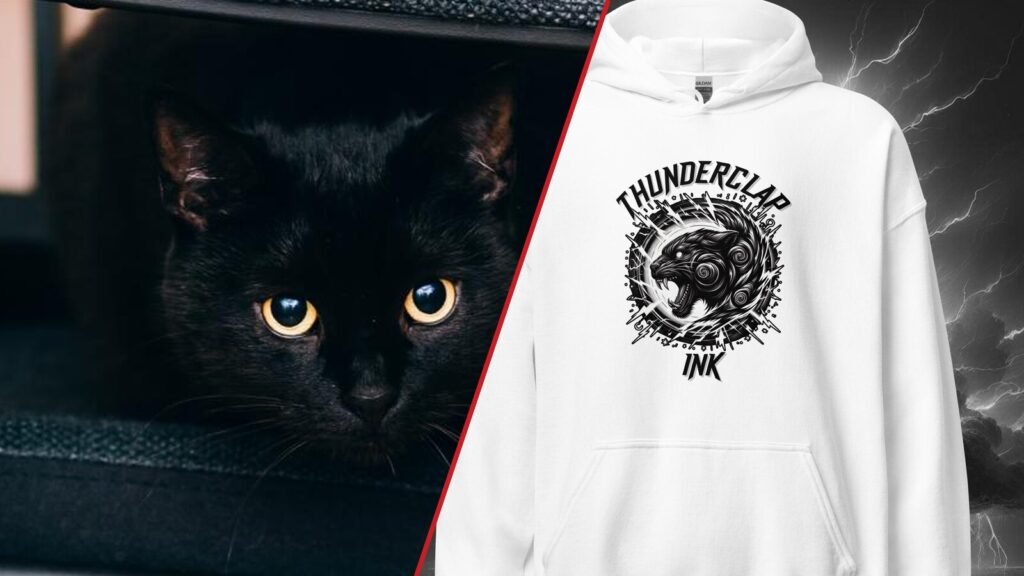
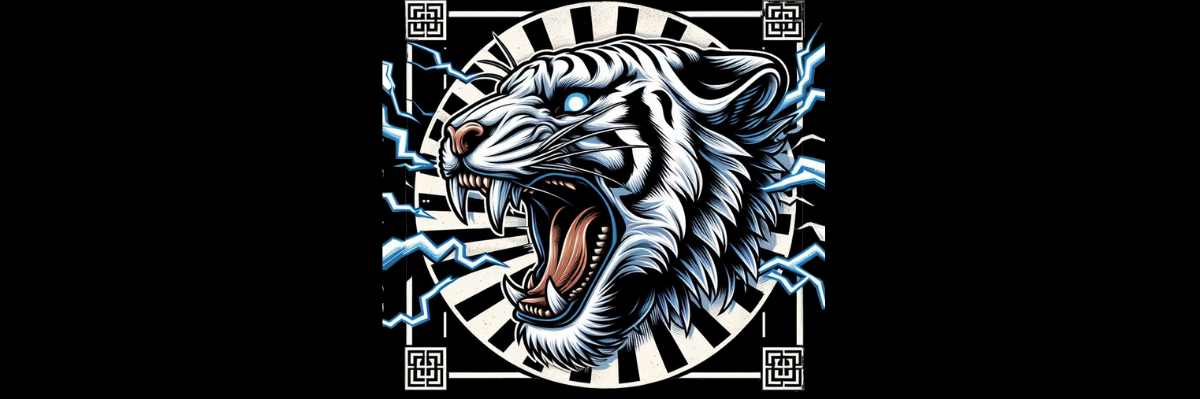
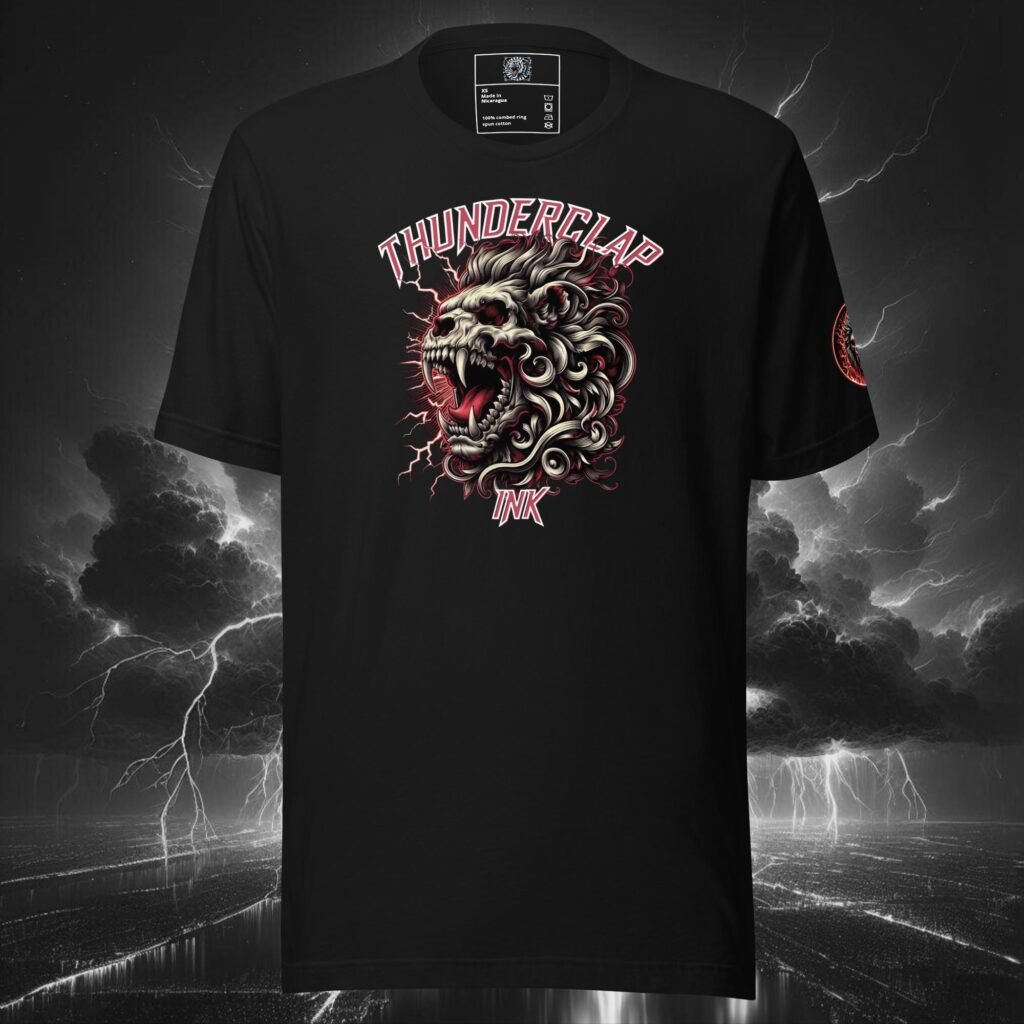
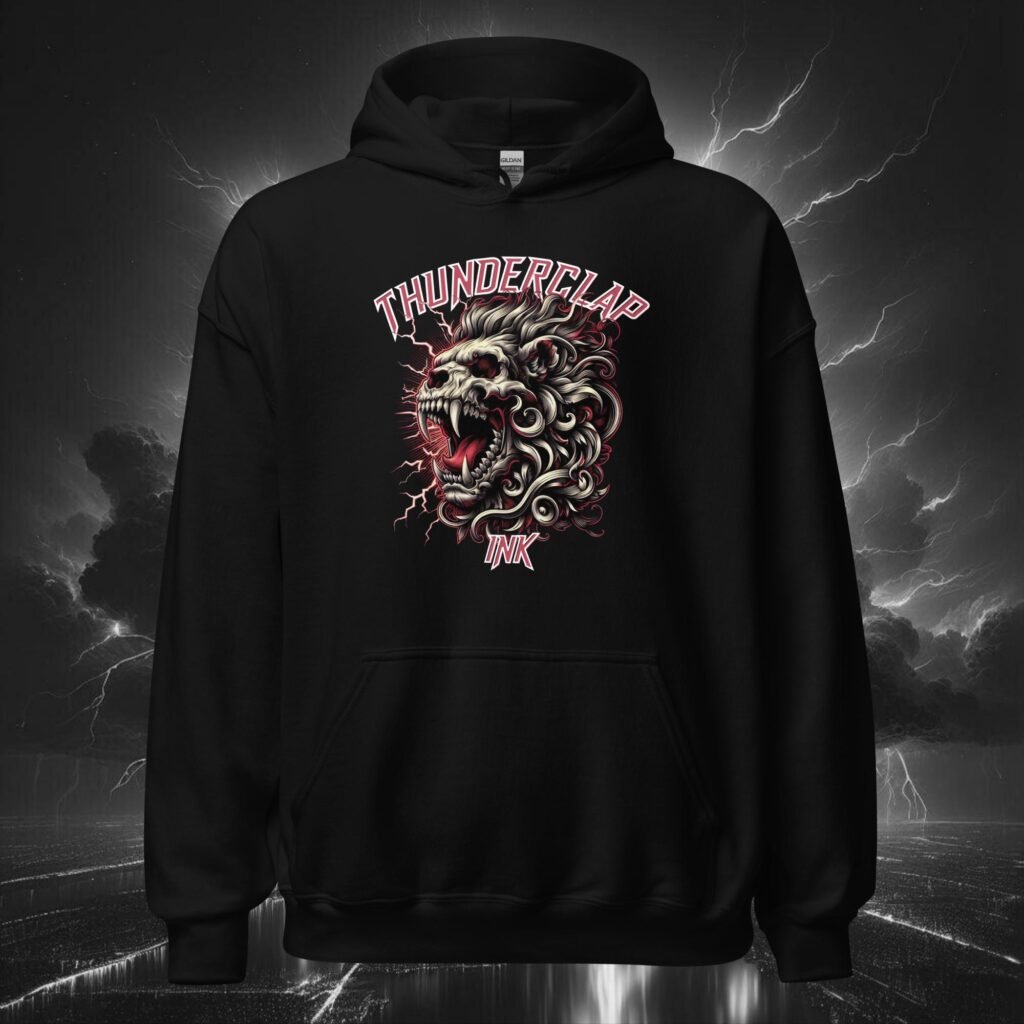
None of this translates easily into merchandise, and it shouldn’t be flattened into a slogan. But there’s a reason big cats — lions especially — keep showing up in protest art, tattoo culture, and now streetwear: they’re both the most visible symbol of what’s being lost and, increasingly, of who’s doing the defending. The Inferno Roar Lion Unisex Hoodie from Thunderclap Ink sits in that tradition of tattoo-style wildlife art — bold, a little defiant, printed with vegan ink — worn by people who’d rather talk about the animal than about the shirt.
The Bigger Picture
All-female ranger units haven’t solved poaching. No single tactic has. But they’ve shifted the conversation from purely militarised enforcement toward something closer to community conservation — an approach that treats the people living alongside wildlife as part of the solution rather than a problem to be fenced out. Thunderclap Ink directs 15% of profits toward anti-poaching support, not tied to any single organisation, in recognition that this work is happening in many forms, in many countries, mostly without cameras around.
Further Reading
- Look into the Black Mambas’ formation in Balule Nature Reserve, South Africa.
- Research the Akashinga rangers operating across Zimbabwe’s Lower Zambezi region.
- Read independent conservation studies on community-based anti-poaching outcomes.
15% of the profit from every purchase goes to animal conservation foundations around the planet.
Wildlife and nature art on apparel and phone cases. Wear it, and fund the work.
Join the storm
New drops, rescue stories and 10% off your first order.